
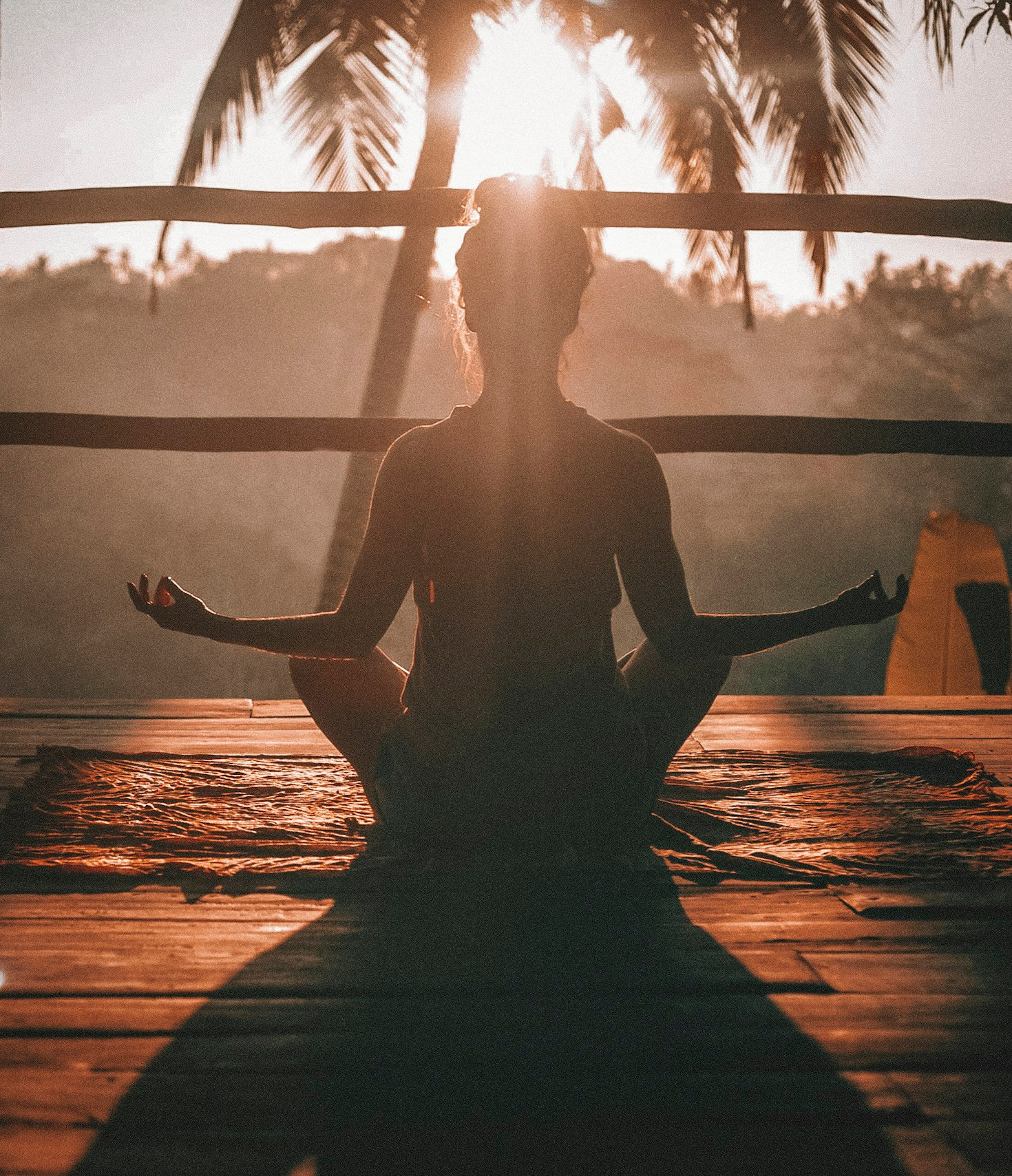
In a world that rewards speed, productivity, and constant connectivity, vitality can quietly slip through the cracks. We may sleep enough, eat reasonably well, and exercise occasionally—yet still feel drained. The missing link is often not physical, but mental and emotional. This is where mindfulness becomes powerful.
Mindfulness is the practice of bringing intentional awareness to the present moment without judgment. Rooted in ancient contemplative traditions and supported by modern science, mindfulness is not about escaping life—it’s about engaging with it fully. When practiced consistently, it becomes a daily source of clarity, resilience, and sustainable energy.
Below are practical mindfulness practices you can integrate into everyday life to cultivate daily vitality.
1. Start the Day with Conscious Breathing
Before reaching for your phone, take three to five minutes to breathe intentionally.
- Sit upright in bed or in a chair.
- Inhale slowly through your nose for four counts.
- Hold for four counts.
- Exhale gently for six counts.
- Repeat.
This simple breathing ritual activates the parasympathetic nervous system—the body’s natural calming response. Instead of starting your day in reactive mode, you begin grounded and centered.
Over time, this small practice builds emotional regulation and mental clarity, conserving energy you might otherwise lose to stress.
2. Practice Mindful Hydration and Nourishment
Many of us consume food and drinks while multitasking. Mindful nourishment transforms ordinary routines into vitality rituals.
When drinking water or tea:
- Pause before the first sip.
- Notice temperature, texture, and sensation.
- Take slow, deliberate sips.
When eating:
- Chew slowly.
- Notice flavors and textures.
- Put utensils down between bites.
This practice improves digestion, enhances satisfaction, and reduces overeating. More importantly, it trains your mind to slow down, preventing energy depletion caused by constant mental rushing.
3. The One-Minute Reset
Energy drains throughout the day often stem from accumulated micro-stress. A one-minute reset can interrupt this cycle.
Set a reminder three times daily. When it rings:
- Stop what you’re doing.
- Close your eyes (if possible).
- Take five deep breaths.
- Relax your shoulders and jaw.
- Observe your current emotional state without judgment.
This micro-practice prevents stress from snowballing. Think of it as brushing your mind the way you brush your teeth—small, preventative care that protects long-term vitality.
4. Mindful Movement
You don’t need a full yoga session to benefit from mindful movement.
During a walk:
- Feel your feet contacting the ground.
- Notice your posture.
- Observe the rhythm of your breath.
During stretching:
- Move slowly.
- Pay attention to sensation rather than performance.
Practices like yoga and tai chi beautifully integrate mindfulness and movement. In fact, programs such as Mindfulness-Based Stress Reduction (MBSR), developed by Jon Kabat-Zinn at the University of Massachusetts Medical School, emphasize body awareness as a gateway to stress reduction and vitality.
Movement becomes energizing rather than depleting when awareness replaces distraction.
5. Digital Boundaries with Intention
Constant notifications fragment attention and drain cognitive energy. Mindfulness invites conscious technology use.
Try:
- Turning off non-essential notifications.
- Creating device-free meal times.
- Practicing a 30-minute digital sunset before bed.
Instead of reacting to every alert, choose intentional engagement. This protects mental bandwidth and supports deeper rest—essential for sustained daily vitality.
6. Gratitude as Energy Amplifier
Gratitude is not forced positivity; it’s intentional awareness of what is working.
Each evening, write down:
- Three things that went well.
- One small moment that brought joy.
- One challenge that taught you something.
Research in positive psychology, including work by Martin Seligman at the University of Pennsylvania, shows that consistent gratitude practices increase well-being and reduce depressive symptoms.
Gratitude shifts your nervous system from scarcity to sufficiency. Energy flows more easily when the mind is not constantly scanning for threats.
7. Body Scan for Deep Restoration
At the end of the day, try a body scan meditation:
- Lie down comfortably.
- Bring attention to your toes.
- Slowly move awareness upward through your body.
- Notice sensations without trying to change them.
If the mind wanders, gently return to the body.
This practice releases unconscious muscular tension—one of the hidden drains of vitality. Even 10 minutes can dramatically improve sleep quality and recovery.
8. Mindful Transitions
We often carry the emotional residue of one activity into the next. Mindful transitions prevent this leakage of energy.
Before switching tasks:
- Pause for 10 seconds.
- Take one deep breath.
- Set an intention for the next activity.
This simple reset reduces cognitive overload and improves focus. You conserve energy by being fully where you are instead of mentally split between past and future.


Why Mindfulness Sustains Vitality
Vitality is not just physical stamina—it is emotional steadiness, mental clarity, and purposeful engagement.
When we live reactively:
- Stress hormones stay elevated.
- Attention fragments.
- Energy disperses.
When we live mindfully:
- The nervous system stabilizes.
- Focus sharpens.
- Energy becomes intentional.
Over time, mindfulness rewires how we respond to challenges. Instead of being pulled by every demand, you become anchored. And anchored energy is sustainable energy.
Making It Practical
You don’t need to overhaul your life. Choose:
- One morning practice.
- One midday reset.
- One evening reflection.
Consistency matters more than duration.
Daily vitality is not built through dramatic change—it’s cultivated through small, repeated moments of awareness.
Mindfulness does not add more to your to-do list. It transforms what you’re already doing into a source of energy.
And when presence becomes your default mode, vitality is no longer something you chase — it’s something you live.
Leave a Reply